

Your Complete Guide to Ohio Tornado Season and Protecting Your Home
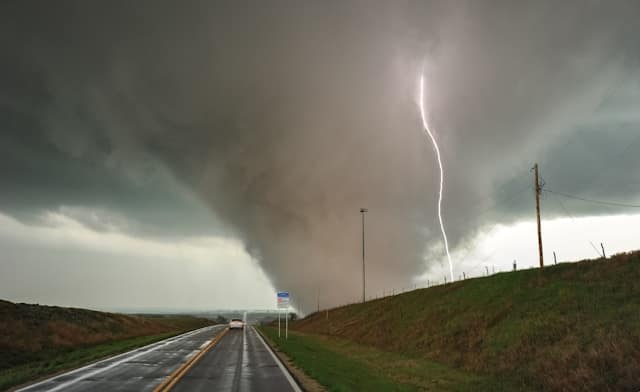
Spring in Ohio brings blooming flowers, warmer temperatures—and tornado season. For Central Ohio homeowners, understanding the risks and knowing how to prepare can make all the difference when severe weather strikes.
When Is Tornado Season in Ohio?
While tornadoes can technically occur any month of the year in Ohio, the peak season runs from April through June. However, severe weather often begins ramping up as early as March, so it’s wise to start your preparations before spring officially arrives.
The combination of warm, moist air from the Gulf of Mexico colliding with cooler air from the north creates the perfect conditions for severe thunderstorms.
And the tornadoes that can spawn from them.
Ohio’s Tornado History: By the Numbers
If you think tornadoes are rare in Ohio, the statistics tell a different story. Since 1950, the Buckeye State has experienced over 1,500 confirmed tornadoes—and some have been devastatingly powerful.
Here’s what the data reveals:
- 1,500+ tornadoes recorded since 1950
- 40 tornadoes rated F4 or higher on the Fujita scale (winds exceeding 200 mph)
- 24 confirmed tornadoes touched down in Ohio in 2020 alone
These numbers remind us that tornado preparedness isn’t optional—it’s essential for every Ohio homeowner.
Historic Tornado Events That Shaped Ohio
The Super Outbreak of April 3, 1974
This remains one of the most catastrophic tornado events in Ohio’s history.
On a single day, 16 tornadoes tore across the state, including multiple F5 tornadoes—the most powerful classification possible. The destruction was staggering: 39 lives lost, hundreds injured, and entire neighborhoods reduced to rubble.
Communities like Xenia were virtually leveled, serving as a sobering reminder of nature’s power.
Palm Sunday Tornadoes – April 11, 1965
This outbreak produced a deadly swarm of tornadoes across the Midwest, claiming 60 lives across multiple states, including Ohio.
The event led to significant improvements in tornado warning systems and emergency preparedness protocols that we still benefit from today.
How Do Tornadoes Form?
Understanding tornado formation helps explain why Ohio is vulnerable. And why conditions can change so rapidly.
Tornadoes develop from severe thunderstorms when specific atmospheric conditions align:
- Warm, moist air rises rapidly from the ground
- Cool, dry air pushes in at higher altitudes
- Strong updrafts develop as the warm air accelerates upward
- Wind shear (winds blowing at different speeds or directions at various altitudes) causes the air to rotate
- The rotating column tightens and intensifies, eventually reaching the ground as a tornado
This entire process can happen in minutes, which is why tornado warnings require immediate action—not deliberation.
Tornado Safety Tips Every Ohio Family Should Know
When a tornado warning is issued for your area, you have minutes—not hours—to take shelter.
Here’s what to do:
Seek Shelter Immediately
- Best option: A basement or storm cellar below ground level
- If no basement: An interior room on the lowest floor (bathroom, closet, or hallway)
- Stay away from: Windows, doors, and exterior walls
- Protect yourself: Get under a sturdy table or mattress and cover your head
What to Avoid
- Overpasses and bridges – Despite popular belief, these are extremely dangerous during tornadoes due to wind acceleration
- Mobile homes – Even if anchored, leave immediately and seek sturdy shelter
- Vehicles – If caught in your car, get to a sturdy building; if impossible, lie flat in a low ditch away from the vehicle
Watch for Flying Debris
Most tornado injuries come from flying debris, not the wind itself. Even relatively weak tornadoes can turn everyday objects into dangerous projectiles. This is also the primary cause of roof damage during tornado events.
Preparing Your Home Before Tornado Season
While you can’t prevent a tornado, you can take steps to minimize damage and protect your family:
Inspect Your Roof
Your roof is your home’s first line of defense against severe weather.
Before tornado season arrives:
- Check for loose or missing shingles that could become projectiles
- Inspect flashing around chimneys, vents, and skylights
- Clear gutters and downspouts to ensure proper drainage
- Trim overhanging branches that could damage your roof in high winds
- Schedule a professional roof inspection to identify vulnerabilities
The easiest way to avoid problems and maintain your roof is with an annual care and maintenance plan by an experienced roofing contractor. Get our annual care and maintenance with Mr. Moose’s Roof Maintenance Plan.
Create an Emergency Kit
Keep supplies ready in your designated shelter area:
- Flashlight and extra batteries
- First aid kit
- Bottled water and non-perishable snacks
- Battery-powered weather radio
- Important documents in a waterproof container
- Blankets and sturdy shoes
Have a Family Plan
- Identify your shelter location
- Practice tornado drills with all family members
- Establish a communication plan if family members are separated
- Know the difference between a watch (conditions are favorable) and a warning (tornado spotted or indicated on radar—take shelter now)
After the Storm: Assessing Roof Damage
If a tornado or severe storm passes through your area, your roof may have sustained damage even if it’s not immediately visible. Look for these warning signs:
- Missing, cracked, or curled shingles
- Dents or damage to metal flashing and vents
- Debris accumulation on the roof
- Water stains on interior ceilings or walls
- Granules from shingles are collecting in gutters
Important: Never climb onto your roof to inspect damage yourself. Not only is it dangerous, but walking on a compromised roof can cause additional damage. And it may affect your insurance claim.
We’re Here When You Need Us
At Muth & Company Roofing, we’ve helped Central Ohio families recover from tornado and storm damage for over three decades.
As a GAF Master Elite® certified contractor, a distinction held by only 3% of roofers nationwide, we have the expertise to properly assess damage, work with your insurance company, and restore your roof to protect your home for years to come.
Stay safe, Ohio. And remember: preparation today means protection tomorrow.